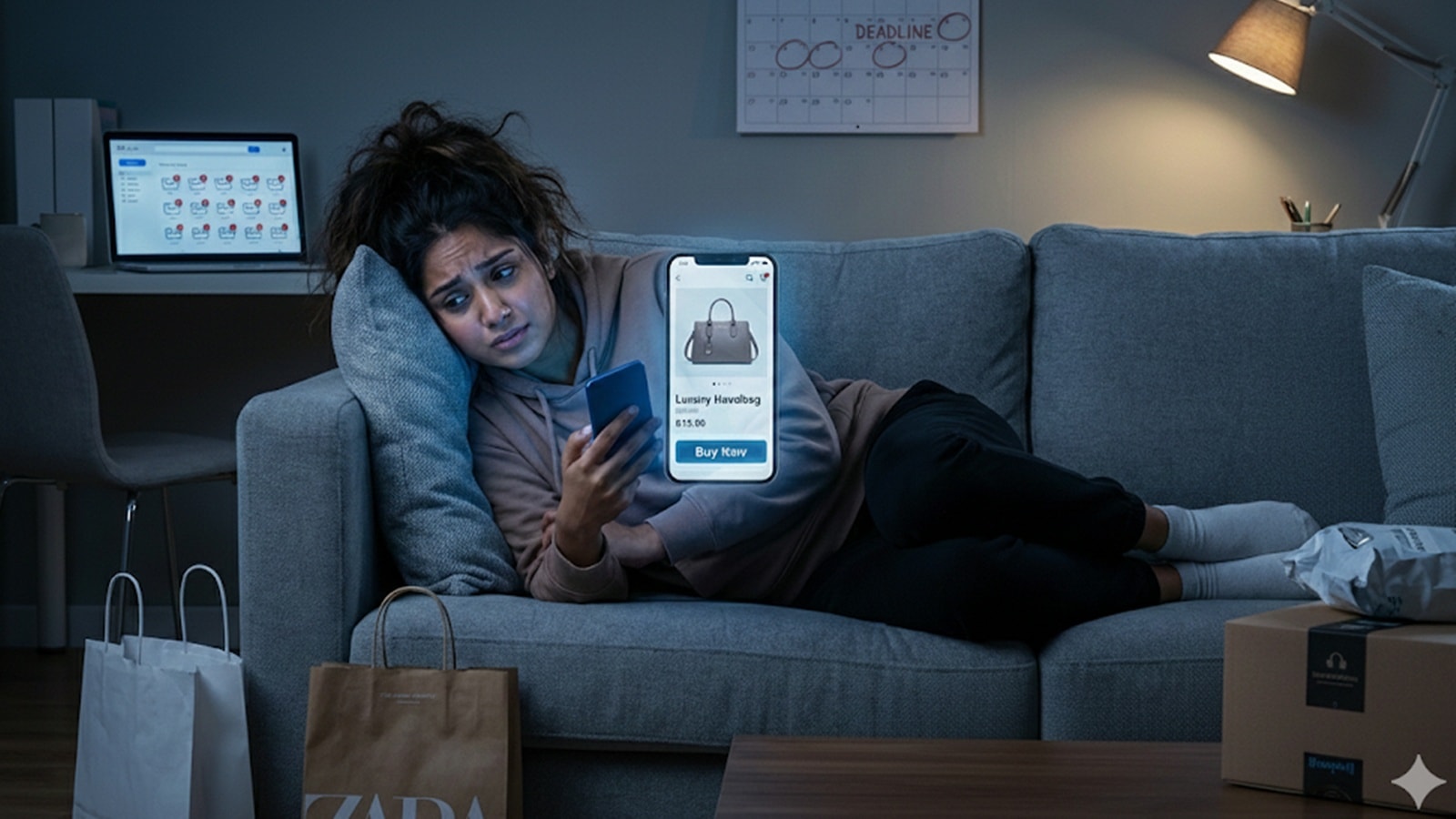
For many people, online shopping is a convenient way to buy groceries, replace a household item, or find something they need. But when clicking “buy now” becomes an emotional reflex, shopping can take on a very different role. Compulsive online shopping can provide a brief sense of excitement, relief, or control, followed by regret, financial stress, and renewed urges to spend. Understanding why compulsive online shopping is hard to stop is an important first step toward breaking that cycle and developing healthier ways to manage difficult emotions.
Compulsive buying is not simply about wanting too many things. In many cases, the behavior is connected to emotional distress, learned habits, impulsivity, and the brain’s response to reward. With compassionate mental health treatment and individualized recovery support, people can explore what drives compulsive spending and learn practical strategies for regaining control.
Why Is Compulsive Online Shopping So Difficult to Stop?
Compulsive online shopping can become a powerful behavioral pattern because it offers immediate access to a rewarding experience. Unlike many other activities, online shopping requires very little effort. A person can browse products from a phone, add items to a cart, and complete a transaction within minutes.
That convenience can make impulsive spending particularly difficult to interrupt.
The Reward Happens Quickly
Shopping can create anticipation before a purchase is completed. Finding an appealing product, imagining owning it, and watching an order move toward checkout can all contribute to excitement.
For someone who is struggling emotionally, this temporary reward may become a form of relief. The person may begin to associate shopping with feeling better, even when the underlying problem remains unresolved.
Over time, the brain can learn this pattern:
Emotional discomfort leads to shopping, shopping creates temporary relief, and relief reinforces the urge to shop again.
Online Stores Remove Many Natural Barriers
Traditional shopping usually requires getting dressed, traveling to a store, walking through a physical environment, and interacting with other people. Online shopping removes many of those steps.
That means an individual can act on an impulse almost immediately.
Saved payment information, one click purchasing, personalized recommendations, promotional notifications, and constant access to retail platforms can make the distance between an urge and a purchase extremely small.
The Emotional Roots of Compulsive Buying
Compulsive online shopping often has less to do with the products themselves and more to do with what shopping represents emotionally.
Stress and Overwhelm
After a difficult day, shopping can feel like an easy escape. Browsing products may provide distraction from work pressure, family conflict, financial worries, or other sources of stress.
However, when shopping becomes the primary response to stress, it can prevent a person from developing healthier coping strategies.
Anxiety and Emotional Discomfort
Anxiety can create an intense desire to make uncomfortable feelings disappear. Shopping may provide something immediate to focus on.
The relief may be real, but it is usually temporary. Once the purchase is completed, anxiety can return. In some cases, it may be accompanied by guilt or worry about the money spent.
Loneliness and Isolation
For someone experiencing loneliness, online shopping can offer stimulation and anticipation. A new order provides something to look forward to, even if that excitement does not address the need for meaningful connection.
Over time, relying on purchases for emotional comfort can make it harder to recognize the importance of relationships and other sources of support.
Low Self Esteem
Some individuals shop because they believe a purchase will help them feel more attractive, successful, confident, or worthy.
A new outfit or expensive item may create a short-term boost in confidence. However, lasting self esteem comes from a much deeper sense of identity and self acceptance.
Signs That Online Shopping Has Become Compulsive
Not everyone who enjoys shopping has a compulsive buying problem. The important question is whether spending has become difficult to control and whether it is causing meaningful harm.
You Shop When You Feel Distressed
If you frequently open shopping apps whenever you feel anxious, sad, bored, lonely, or overwhelmed, shopping may have become an emotional coping mechanism.
You Buy Things You Do Not Need
Repeatedly purchasing unnecessary items, especially when you already have financial responsibilities, can be a warning sign.
The issue becomes more concerning when the purchases continue despite knowing they are creating problems.
You Try to Stop but Keep Buying
One of the clearest signs of a compulsive pattern is difficulty stopping despite sincere attempts to change.
You may delete shopping apps, create a budget, or promise yourself that you will not spend. If the same behavior repeatedly returns, professional support may be useful.
You Hide Purchases
Secrecy can be another warning sign. Some people hide packages, delete order histories, avoid discussing purchases, or provide inaccurate information about how much they have spent.
This behavior can create additional stress and gradually damage trust within relationships.
You Experience Guilt After Shopping
A cycle of excitement followed by guilt is common when spending has become emotionally driven.
The guilt can then create additional distress, which may eventually trigger another shopping episode. Recognizing this cycle can help identify where healthier interventions are needed.
How Compulsive Shopping Can Affect Mental Health
The consequences of compulsive online shopping can extend well beyond finances.
Increased Anxiety and Stress
Debt, unpaid bills, credit card balances, and uncertainty about money can create significant emotional pressure. Someone may also spend considerable time worrying about hiding purchases or repairing financial damage.
Relationship Difficulties
Compulsive spending can affect spouses, partners, family members, and friends. Arguments about money may become frequent, particularly when one person feels that the behavior is being hidden or minimized.
Shame and Isolation
People who struggle with compulsive buying may feel embarrassed about their behavior. Shame can lead them to withdraw from others rather than ask for help.
Unfortunately, isolation can make emotional difficulties harder to manage.
Reduced Emotional Well Being
When shopping becomes a primary source of pleasure or relief, other meaningful activities may gradually receive less attention. Work, relationships, hobbies, physical health, and personal goals can all be affected.
Practical Ways to Interrupt the Shopping Cycle
Changing compulsive shopping patterns takes more than simply telling yourself to have better self control. Practical strategies can create space between an emotional trigger and an impulsive decision.
Identify What Happens Before You Shop
Start paying attention to your triggers.
Before making an unnecessary purchase, ask:
- What am I feeling right now?
- What happened immediately before this urge?
- Am I bored, lonely, anxious, angry, or overwhelmed?
- What do I hope this purchase will make me feel?
- Is there another way I could meet that emotional need?
Writing down your answers can reveal patterns that are difficult to see in the moment.
Create a Waiting Period
Instead of purchasing something immediately, establish a waiting period for nonessential purchases.
A 24 hour rule can be particularly helpful. After the initial emotional intensity decreases, you may discover that you no longer want the item.
Make Impulsive Shopping Less Convenient
Small environmental changes can reduce opportunities for automatic spending.
Consider removing saved payment information, disabling promotional notifications, unsubscribing from marketing emails, and deleting shopping apps that consistently trigger impulsive behavior.
These steps do not solve the underlying emotional issue, but they can create valuable breathing room.
Replace Shopping With Healthier Coping Skills
Long term recovery requires alternatives.
Depending on your needs, healthier coping strategies may include exercise, journaling, mindfulness, creative activities, spending time with supportive people, practicing relaxation techniques, or simply taking a break from digital devices.
The goal is not to eliminate every uncomfortable emotion. It is to learn that difficult emotions can be managed without immediately acting on them.
How Therapy Can Help With Compulsive Online Shopping
When compulsive buying continues despite attempts to control it, professional treatment can help uncover the deeper factors behind the behavior.
Therapy can provide a safe environment to explore emotional triggers, behavioral patterns, relationships, stress, self esteem, and other concerns that may contribute to compulsive spending.
Individualized Treatment Addresses the Person, Not Just the Behavior
Every person’s experience is different. One individual may shop primarily because of anxiety, while another may use spending to cope with loneliness, trauma, stress, or low self worth.
Individualized care allows treatment to focus on the factors that are most relevant to the person’s circumstances.
Inpatient and Outpatient Care May Offer Different Levels of Support
Depending on a person’s overall needs, treatment may involve inpatient or outpatient services.
Inpatient care can provide a structured environment for individuals who need more intensive support. Outpatient care can allow people to participate in treatment while continuing appropriate responsibilities at home, work, or school.
A qualified professional can help determine which level of care is appropriate.
Holistic and Faith Based Support Can Strengthen Recovery
Recovery involves more than changing one behavior. A holistic approach can consider emotional wellness, physical health, relationships, personal values, and daily routines.
For individuals who draw strength from faith, faith based support can also provide hope, purpose, accountability, and a deeper sense of connection during the recovery process.
Recovery Begins With Understanding the Urge
Compulsive online shopping can feel confusing because the behavior often provides exactly what a person wants in the moment: relief, excitement, distraction, or comfort. The difficulty comes later, when the temporary reward disappears and the consequences remain.
Understanding this pattern can change the way you approach recovery. Instead of simply asking, “Why can’t I stop shopping?” it can be more productive to ask, “What am I trying to cope with when I feel the need to shop?”
That question can open the door to meaningful change.
With professional support, you can learn to recognize emotional triggers, tolerate difficult feelings, build healthier coping skills, and make decisions based on your long term well being rather than an immediate urge.
Take the Next Step Toward Healthier Choices
Compulsive online shopping is not a character flaw, and asking for help does not mean you have failed. If shopping is creating financial problems, damaging relationships, increasing anxiety, or becoming your primary way of coping with emotional pain, it deserves attention.
Recovery starts with understanding what is happening beneath the behavior. Compassionate addiction recovery services and mental health treatment can provide the guidance and structure needed to explore those underlying concerns and develop healthier patterns.
Whether support involves individualized therapy, outpatient care, inpatient treatment, holistic practices, or faith based approaches, the right plan should reflect your needs and goals.
You do not have to wait until the consequences become overwhelming. If the urge to buy feels stronger than your ability to control it, reaching out for professional support can be a meaningful first step.
The goal is not simply to stop clicking “buy.” It is to understand what you are seeking when you click, find healthier ways to meet those emotional needs, and regain control over the choices that shape your life.